
Built for Cottonwood Heights
Canyon-mouth wind and bench snow shape every roof here — we detail for both.
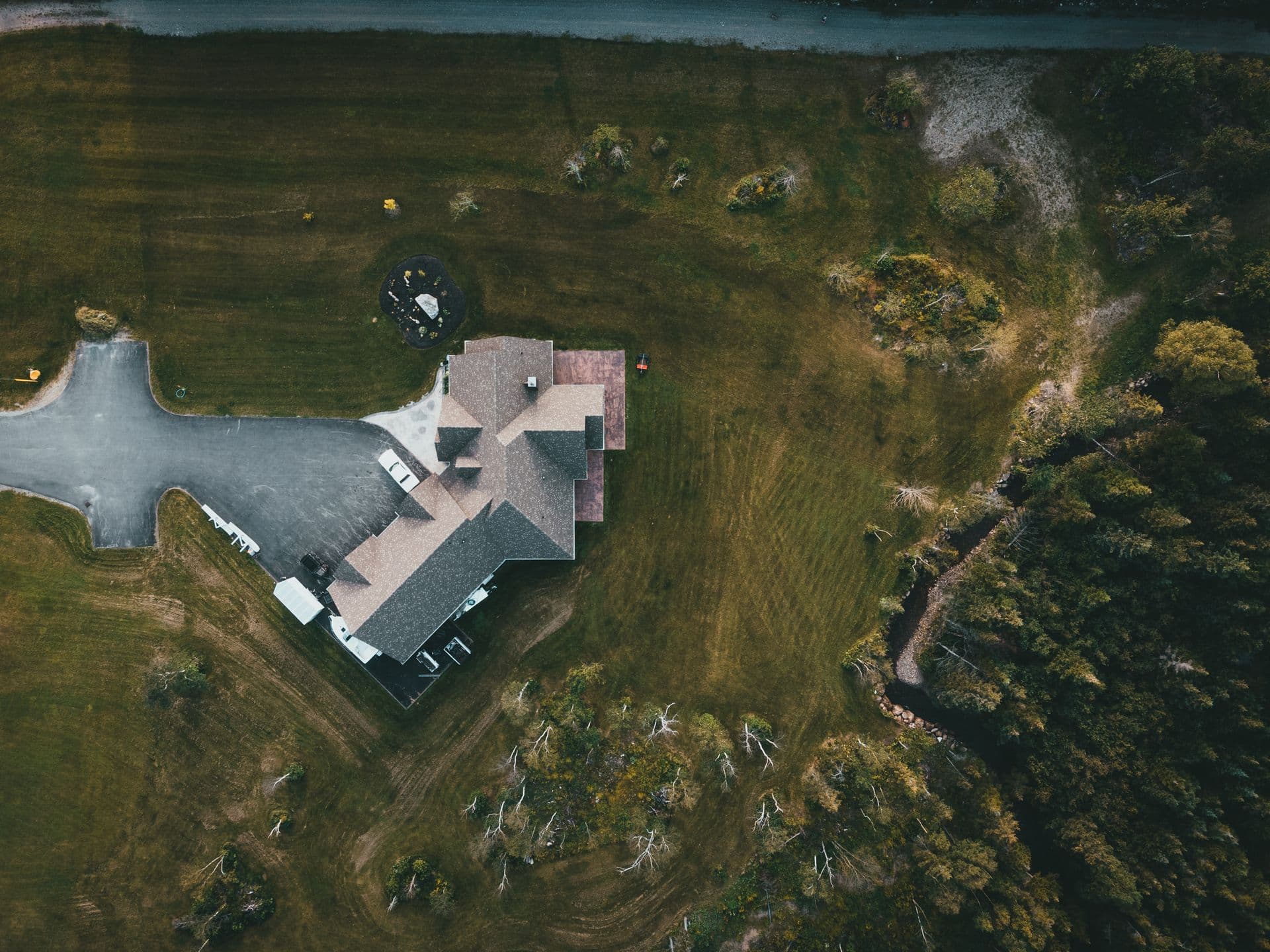
Roofing between the canyons is its own discipline. Cottonwood Heights takes the strongest terrain weather in our service area — wind funneling out of Big and Little Cottonwood, snow totals that climb with every street up the bench, and freeze-thaw cycling that probes every eave and valley for a weakness. A roof specified for the mid-valley average is under-specified here. We design for the actual exposure: high-wind fastening as standard, ice protection sized for bench snowpack, ventilation that keeps decks cold under sustained snow, and standing seam metal for the homes nearest the canyon mouths where it genuinely earns its premium. Our crews come up from Midvale, fifteen minutes down the hill.
Cottonwood Heights calls itself the city between the canyons, and its roofs live with everything that location implies. Big and Little Cottonwood Canyons function as wind funnels: air moving down-canyon accelerates into the neighborhoods closest to the mouths, and roof edges, ridge caps, and rake details there take loading that mid-valley homes never experience. The same geography drives snow — bench elevations catch storms harder than the valley floor, and homes on the upper streets can hold snowpack on north slopes for much of the winter, with the freeze-thaw cycling that builds ice dams on any eave where attic heat leaks through. The housing spans mid-century ranches built when this was the far east edge of the valley to substantial newer homes near the canyon mouths, and the replacement conversation increasingly includes metal: standing seam systems shed bench snow, shrug off canyon wind, and fit the mountain character of the city. This is terrain-driven roofing, and the terrain here is the strongest in our service area.
What Roofs Face in Cottonwood Heights
Proximity to the canyon mouths is the whole story in Cottonwood Heights. Wind-rated shingle installation is the baseline, not the upgrade — correct fastening patterns, sealed starter courses at eaves and rakes, and ridge details that give down-canyon gusts nothing to lift. Snow detailing follows: ice and water shield run generously at eaves and valleys, ventilation engineered to keep the deck cold under sustained snowpack, and on steeper metal roofs, snow-retention hardware placed so a slab of bench snow does not release onto a walkway or a gas meter. For homes highest on the bench, we make an honest case for standing seam metal — mechanically locked panels with a 50-to-70-year life are simply the right tool closest to the canyons. Every recommendation traces to the lot's actual exposure, which we evaluate on-site rather than assuming from a map.
01 / Housing
The Housing Stock
Mid-century ranches and 1960s–70s family homes on the lower bench, with newer luxury builds climbing toward the canyon mouths. Many of the older homes are on aging second roofs, and the higher streets carry rooflines that take genuinely mountain-grade weather.
02 / Climate
The Climate
The city sits directly at the mouths of Big and Little Cottonwood Canyons, where canyon winds funnel into the neighborhoods and bench elevation pushes snowfall well above valley-floor totals. Freeze-thaw cycling is constant through winter, and the UV at 4,700-plus feet is unforgiving on asphalt.
Field Note · Cottonwood Heights
Homes nearest the mouths of Big and Little Cottonwood Canyons take accelerated down-canyon winds that mid-valley neighborhoods never see — roof edges and ridges there need wind-rated installation as the baseline, not the upgrade.
Roofing Services in Cottonwood Heights
A Local Crew, Minutes Away
We treat Cottonwood Heights as the proving ground for our installation standard, because the canyon-mouth weather finds every shortcut eventually — a starter course short on adhesive, a ridge cap nailed light, a valley flashed casually. Our six-principle Installer's Standard exists for exactly this terrain: preparation, flashing, ventilation, layering, precision, clean site. We are licensed, insured, in business since 2019, and close enough at our Midvale headquarters to stand behind the work season after season, including winters when the bench gets buried.
Home Base
Roofing Questions in Cottonwood Heights
How much stronger is the wind near the canyon mouths than elsewhere in the valley?
Noticeably — air accelerates as it funnels down Big and Little Cottonwood Canyons and spills into the closest neighborhoods, and roofs there see gust loading the mid-valley never experiences. We treat high-wind installation specs as the baseline for Cottonwood Heights: correct nail counts and placement, sealed starters at eaves and rakes, and wind-rated ridge details.
Is metal roofing worth it in Cottonwood Heights?
On exposed bench lots, the case is strong. Standing seam panels lock mechanically with no individual edges for wind to lift, shed bench snow predictably, and carry a 50-to-70-year service life. The premium is real, so we price it next to a high-end architectural shingle and let your lot's actual exposure drive the decision.
Snow slides off my neighbor's metal roof in big slabs. Can that be prevented?
Yes — that is what snow-retention systems are for. Properly engineered snow guards or rail systems hold the snowpack so it melts off gradually instead of releasing all at once over a doorway or walkway. On any steep metal roof at bench elevation we consider snow retention part of the design, not an accessory.
What should I have checked before winter on the bench?
Three things: flashing condition at valleys, chimneys, and sidewalls; shingle adhesion at edges and ridges where canyon wind works first; and attic ventilation, because a warm deck under bench snowpack is how ice dams start. Our free inspection covers all three with photos, ideally in fall before the first sustained snow.
Get a Roof Estimate in Cottonwood Heights
Tell us about your roof and we’ll schedule a free inspection — honest findings, a clear written scope, and no pressure. Our crews are based in Midvale, minutes from Cottonwood Heights.
Xperience Roofing
Cottonwood Heights, UT · (385) 402-6364 · Roofs built to last.