
Roofs Built for Draper
Point of the Mountain wind tests every edge of a roof — ours are installed for it.
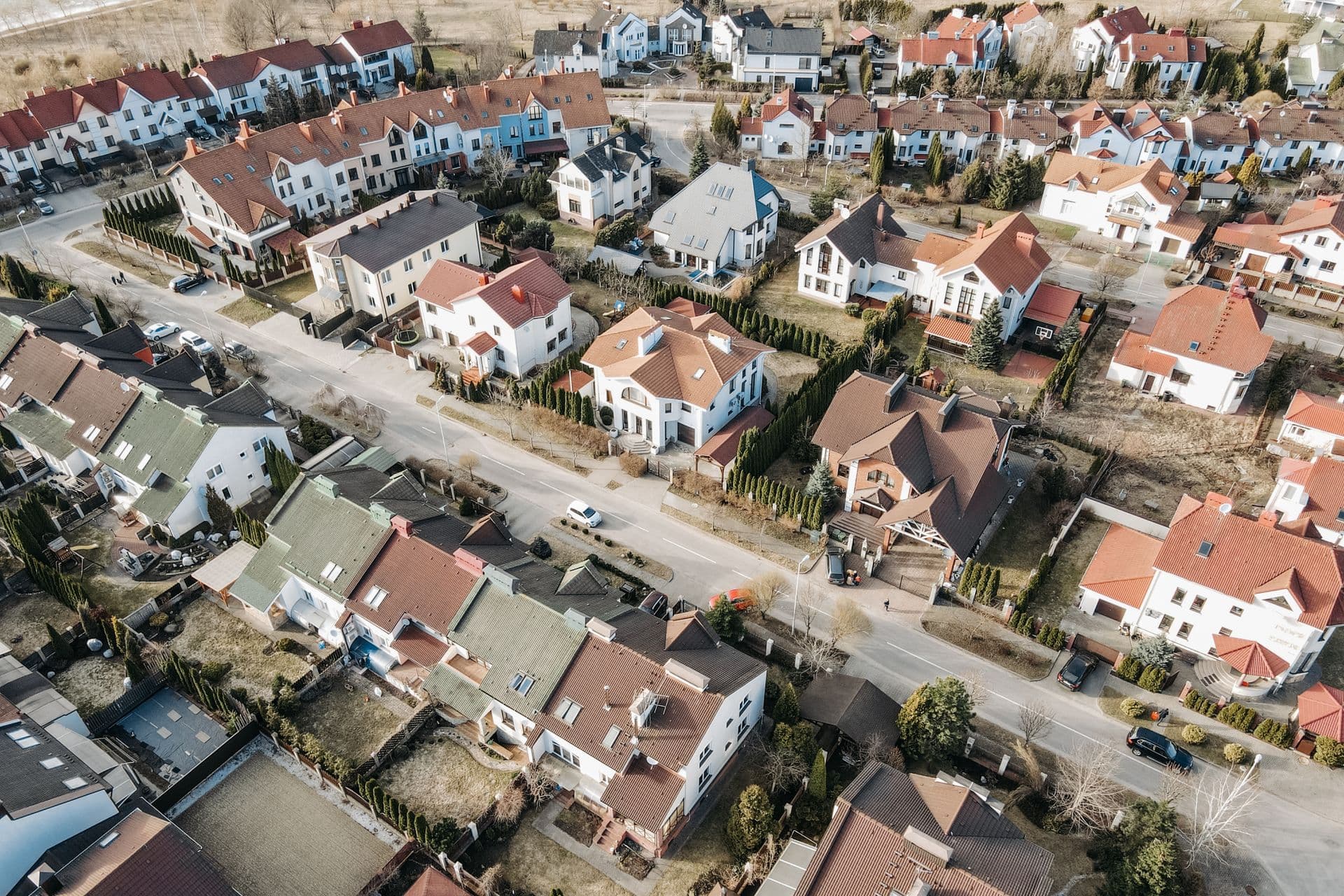
Draper roofs work harder than their neighbors. The Point of the Mountain funnels wind through the south end of the valley with a consistency that locals plan around, and homes on Traverse Mountain and the upper east bench add elevation, snow, and UV exposure to the equation. The houses themselves are some of the largest and most complex in our service area — steep pitches, long valleys, multiple dormers — which means more linear feet of flashing and edge detail where quality either holds or fails. We build Draper roofs to the wind rating on the label: correct fastening patterns, sealed starter courses, and honest conversations about when standing seam metal is the better long-term answer for an exposed lot.
Draper occupies the throat of the Salt Lake Valley, where the terrain narrows at the Point of the Mountain and wind moves through the gap with unusual consistency — consistent enough that the Flight Park above the city is one of the best-known paragliding sites in the country. That same air works on roofs. Shingle edges, ridge caps, and rake details in Draper take sustained wind exposure that most valley neighborhoods never see, and the difference between a roof that holds for decades and one that starts shedding shingles shows up in the installation details: nailing patterns, starter courses, and edge sealing. The housing stock compounds the stakes — Draper homes are newer, larger, and more complex than the valley norm, with steep pitches, long valleys, and elevated communities like SunCrest that ride the Traverse Mountain ridge at well over 5,000 feet, taking mountain weather in every season. Premium homes here increasingly choose standing seam metal, which handles the wind corridor better than anything else we install.
What Roofs Face in Draper
Wind is the design driver in Draper. An architectural shingle rated for high wind only achieves that rating when the installation matches the spec — correct nail count and placement, proper starter strips at eaves and rakes, and sealed edges that give gusts nothing to grab. We install to the rating, and on the most exposed lots we talk frankly about standing seam metal, whose mechanically locked panels have no individual edges for wind to work loose and carry a 50-to-70-year service life. Elevated neighborhoods like SunCrest layer mountain snow and intense UV on top of the wind, which moves underlayment quality and ice protection from nice-to-have to essential. Complex rooflines, finally, live or die on flashing — every valley, dormer, and sidewall on a big Draper roof is a detail we treat as a system, not an afterthought.
01 / Housing
The Housing Stock
Draper skews newer and larger than most of the valley — 1990s-to-2020s homes with steep, complex rooflines, plus elevated communities like SunCrest on Traverse Mountain where homes sit well above the valley floor. Big rooflines mean more valleys, more flashing, and more places for a careless install to fail.
02 / Climate
The Climate
Draper sits in the Point of the Mountain wind corridor, where air funnels through the gap between the Salt Lake and Utah valleys — the same reliable wind that made the area famous for paragliding works on shingle edges year-round. Higher-elevation neighborhoods add heavier snow and harsher UV on top of it.
Field Note · Draper
The Point of the Mountain wind corridor is reliable enough to support a world-class paragliding site at the Flight Park — the same air that carries gliders is what tests every shingle edge in Draper.
Roofing Services in Draper
A Local Crew, Minutes Away
We install for Draper's conditions, not for the average. That means high-wind nailing specs as standard practice, edge and ridge details chosen for the corridor, and metal roofing expertise in-house for the homes that warrant it — The Standing Seam is one of our five signature systems, not a subcontracted sideline. Our Midvale headquarters is fifteen minutes up State Street, close enough for responsive service on a repair and for real crew supervision on a multi-day replacement. Licensed, insured, and working in the valley since 2019.
Home Base
Roofing Questions in Draper
Why do Draper homes lose shingles more often than homes elsewhere in the valley?
The Point of the Mountain wind corridor delivers sustained and gusting wind that works on shingle edges far more than the sheltered mid-valley. Often the failure traces to installation shortcuts — too few nails, misplaced nails, or missing starter courses — rather than the shingle itself. A wind-rated shingle installed to its actual spec holds.
Is standing seam metal worth the premium in Draper?
On exposed lots, frequently yes. Standing seam panels lock together mechanically with no individual shingle edges for wind to lift, carry a 50-to-70-year service life, and shed snow well — a strong match for Traverse Mountain and upper-bench homes. We will give you a straight comparison against architectural shingle for your specific lot rather than a blanket upsell.
Our SunCrest home gets far more snow than friends' homes in the valley. Does the roof need to be different?
Yes. Elevated Draper neighborhoods take mountain-grade snow and stronger UV. We extend ice and water shield coverage at eaves and valleys, spec underlayment for the conditions, and make sure attic ventilation keeps the deck cold so melt-and-refreeze ice dams do not get started.
Do you do roof inspections for Draper home purchases?
We do. Draper's complex rooflines hide problems a general home inspector can miss — flashing condition in long valleys, fastener back-out on wind-exposed slopes, and hail bruising that is invisible from the ground. A roofing-specific inspection before closing is cheap insurance on a large home.
Get a Roof Estimate in Draper
Tell us about your roof and we’ll schedule a free inspection — honest findings, a clear written scope, and no pressure. Our crews are based in Midvale, minutes from Draper.
Xperience Roofing
Draper, UT · (385) 402-6364 · Roofs built to last.